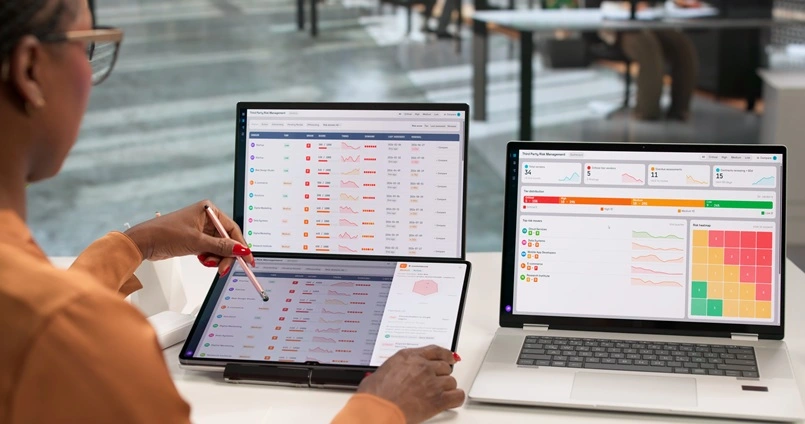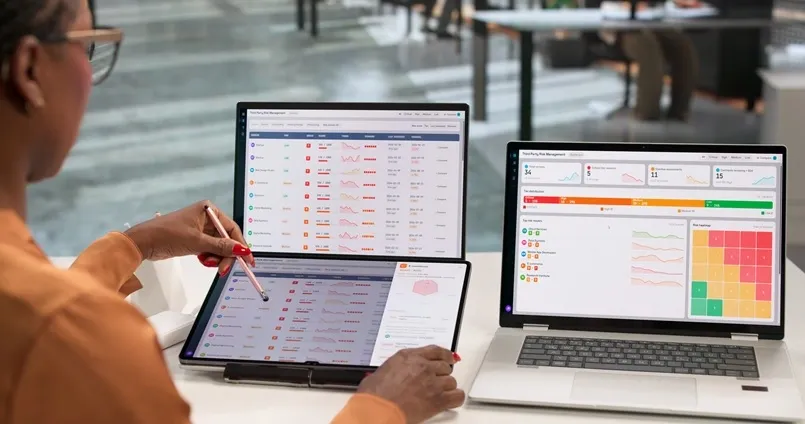


The Best Third-Party Risk Management Software in 2027
Third parties have become too central to the business to manage with a spreadsheet. 42% of organizations believe third parties are more critical to their organization's profitability than they were just three years ago, and 40% of compliance leaders say between 11% and 40% of their third parties are classified as high-risk, according to Gartner's own third-party risk management guide. As that exposure grows, so does the pressure on the software meant to track it.
This comparison evaluates the leading third-party risk management platforms in 2026, spanning a pure-play TPRM specialist and platforms where third-party risk is one module within a broader GRC or privacy suite. Here is what to know before shortlisting a vendor.
Specialist vs. Platform Module: A Distinction Worth Making
Not every name on a TPRM shortlist does the same kind of work. Prevalent is a pure-play third-party risk specialist: TPRM is its entire product, not a feature within something larger. MetricStream, Archer, ServiceNow, and OneTrust each offer third-party risk management as one module within a broader governance, risk, and compliance or privacy platform. Neither approach is inherently better. A specialist tool can go deep on vendor lifecycle workflows without carrying the weight of an enterprise suite, while a platform module means third-party risk data connects automatically to whatever else that platform manages, whether that is enterprise risk, IT compliance, or privacy operations. That distinction should shape how each option below gets evaluated.
Quick Comparison: The Top 5 TPRM Software at a Glance
| Software | Best for | Specialist or platform module | Analyst recognition | Ideal org size |
|---|---|---|---|---|
| MetricStream | Large enterprises needing third-party risk connected to a broader GRC program | Platform module | Chartis, Gartner, Forrester | Large and global enterprises |
| Archer | Large enterprises with existing Archer GRC deployments | Platform module | Gartner | Large enterprises |
| Prevalent | Organizations wanting a dedicated, specialist TPRM platform | Specialist | Gartner | Mid-market to large enterprises |
| ServiceNow | Organizations already standardized on ServiceNow for risk workflows | Platform module | Gartner | Mid-to-large enterprises |
| OneTrust | Organizations wanting third-party risk inside a broader privacy and GRC suite | Platform module | Gartner | Large enterprises |
1. MetricStream: Best for Enterprises Connecting Third-Party Risk to a Broader Program
MetricStream Third-Party Risk Management automates end-to-end third-party processes, including information gathering, onboarding, real-time monitoring, and risk, compliance, and control assessments, built on the MetricStream Platform for an integrated, real-time view of the extended enterprise. That extended view covers not just direct vendors and suppliers but the potential fourth-party risk exposure that comes with them.
What distinguishes MetricStream's approach is how directly the platform verifies risk claims rather than relying solely on self-reported answers. AI-powered regulatory report scanning automatically scans and highlights anomalies in SOC 2 and SOC 3 reports, rating third parties accordingly, addressing a real gap Gartner has identified: most organizations still place excessive trust in due diligence questionnaire answers that are increasingly AI-generated on both sides of the exchange. For issue management, AI and machine learning capabilities help identify issues based on relationships and recommend classification, while internal and third-party users can flag observations through simplified forms and conversational interfaces. Organizations can also track third-party performance over time using key performance indicators, including cost, delivery, service, and quality, enriched with risk data from internal systems, databases, content providers, and audit results.
MetricStream was ranked the top Category Leader in Enterprise GRC among 46 vendors evaluated, and a Category Leader across all seven categories assessed, in Chartis Research's Integrated Governance, Resilience and Compliance Solutions 2026 report, an independent evaluation of the world's major risk and compliance technology providers.
40% of compliance leaders say over a tenth of their vendors are high-risk. MetricStream verifies third-party risk claims directly by scanning SOC 2 and SOC 3 reports for anomalies, rather than relying on self-reported questionnaires alone. Schedule a Demo
Key Features
- AI-Powered Report Scanning: the platform automatically scans SOC 2 and SOC 3 reports to highlight anomalies and rate third parties accordingly, verifying claims rather than relying solely on self-reported answers.
- End-to-End Lifecycle Automation: information gathering, onboarding, real-time monitoring, and risk and compliance assessments are automated across the full third-party lifecycle.
- AI-Assisted Issue Management: AI and machine learning help identify issues based on relationships and recommend classification, while simplified forms and conversational interfaces let internal and third-party users flag observations directly.
- Performance Tracking Over Time: organizations can assess and track key performance indicators, including cost, delivery, service, and quality, enriched with data from internal systems and audit results.
- Fourth-Party Visibility: the platform's integrated view extends beyond direct vendors to help identify potential fourth-party risk exposure within the extended enterprise.
- Connected GRC Architecture: third-party risk data lives inside the same platform used for enterprise risk, regulatory compliance, and internal audit, so a vendor issue surfaces in the broader risk picture rather than sitting in isolation.
Who Should Choose MetricStream
MetricStream is the right choice for large enterprises and organizations in heavily regulated industries, including banking, insurance, healthcare, and energy, that need third-party risk connected directly to a broader enterprise risk and compliance program rather than managed as a standalone workflow.
2. Archer: Best for Organizations With Existing Archer Deployments
Archer Third-Party Risk Management centralizes third-party information, streamlines due diligence, and automates risk assessment workflows. The platform provides tools for tracking third-party engagements, evaluating risk controls, and documenting assessment results, supporting regulatory compliance by facilitating the collection and ongoing review of required vendor documentation.
Key Features
- Centralized Third-Party Information: the platform consolidates third-party data, engagements, and documentation into a single system for tracking and review.
- Automated Due Diligence Workflows: risk assessment and documentation collection processes are automated, reducing manual coordination for ongoing vendor reviews.
- Cross-Functional Risk Integration: third-party data connects to Archer's broader risk assessment, policy management, and incident tracking capabilities within the same platform.
Who Should Consider Archer
Archer fits large enterprises with dedicated risk teams that already use Archer for other GRC functions, wanting third-party risk managed within the same configurable platform rather than as a separate tool.
3. Prevalent: Best for Organizations Wanting a Dedicated TPRM Specialist
The Prevalent Third-Party Risk Management Platform, now part of Mitratech, is a SaaS solution built to automate the workflows required to assess, onboard, manage, continuously monitor, and remediate third-party vendor and supplier risk across security, privacy, compliance, procurement, and supply chain domains, spanning every stage of the vendor lifecycle. Because third-party risk is Prevalent's core, singular product rather than one module within a broader suite, its workflows are built entirely around vendor lifecycle management.
Key Features
- Custom Assessment Frameworks: organizations can build custom assessments that consolidate multiple regulatory and industry frameworks into a single point of review, rather than assessing vendors against each framework separately.
- Full Lifecycle Coverage: the platform automates onboarding, assessment, ongoing monitoring, and remediation workflows across the complete vendor relationship, not just the initial due diligence phase.
- Automated Alerts and Reporting: customizable email alerts and instant report generation keep stakeholders informed of vendor risk status without manual follow-up.
Who Should Consider Prevalent
Prevalent fits organizations that want a dedicated, specialist TPRM platform rather than a module within a broader GRC suite, particularly mid-market and large enterprises whose primary risk technology need centers on the vendor relationship itself.
4. ServiceNow: Best for Organizations Standardized on the ServiceNow Platform
ServiceNow Vendor Risk Managementstreamlines the process of assessing, monitoring, and mitigating risks associated with third-party vendors. The software centralizes vendor information, automates risk assessments, and provides tools for tracking performance and compliance with regulations and policies, integrating with other risk and compliance processes for reporting and analytics.
Key Features
- Centralized Vendor Management: vendor information, risk profiles, and performance data are managed within a single, centralized system.
- Automated Risk Assessments: the platform automates the risk assessment process and tracks vendor activities throughout the relationship lifecycle.
- Integrated Reporting and Analytics: vendor risk data connects to ServiceNow's broader risk and compliance processes, supporting informed decision-making across functions.
Who Should Consider ServiceNow
ServiceNow fits organizations already standardized on the platform for broader IT and risk workflows that want to extend that investment to third-party risk management, rather than adopt a separate, purpose-built tool.
5. OneTrust: Best for Organizations Wanting Third-Party Risk Inside a Broader Privacy and GRC Suite
OneTrust Third-Party Management helps organizations identify, assess, and monitor third-party risks throughout the vendor lifecycle. The platform centralizes third-party information, conducts risk assessments, automates due diligence processes, and facilitates ongoing monitoring to support compliance with regulatory requirements, with customizable risk questionnaires and documentation management.
Key Features
- Centralized Vendor Lifecycle Management: third-party information, risk assessments, and due diligence documentation are managed within a single system throughout the vendor relationship.
- Customizable Risk Questionnaires: organizations can configure risk questionnaires and workflow automation to match their specific due diligence requirements.
- Cross-Module GRC Coverage: third-party risk sits alongside OneTrust's privacy, technology risk, and compliance modules, useful for organizations managing overlapping obligations across those domains.
Who Should Consider OneTrust
OneTrust fits large enterprises that want third-party risk managed within a broader privacy, security, and GRC platform, particularly organizations already using OneTrust for privacy management or technology risk and compliance.
What Is Third-Party Risk Management Software?
Third-party risk management software is a technology platform that helps organizations identify, assess, monitor, and mitigate risks associated with vendors, suppliers, and other external parties. It applies to procurement, compliance, risk, and security teams across industries where third-party relationships introduce operational, regulatory, financial, or cybersecurity exposure. The software governs how an organization onboards a new third party, conducts and documents due diligence, monitors risk on an ongoing basis, tracks remediation of identified issues, and reports on third-party risk exposure to leadership and the board.
Why Questionnaires Alone Are No Longer Enough
Traditional third-party risk management leaned heavily on point-in-time due diligence questionnaires completed at onboarding and refreshed periodically. As third-party ecosystems expand to include fourth and fifth parties, that model shows real strain. In 64% of cases, organizations are now implementing centralized or federated governance models specifically to coordinate third-party risk information across functions, according to the same Gartner guide cited above, a structural response to a problem that point-in-time questionnaires alone cannot solve. The shift underway favors continuous, verifiable monitoring, including automated scanning of independent evidence like SOC reports, over static, self-reported answers refreshed once a year.
How to Choose Third-Party Risk Management Software
Selecting a TPRM platform means weighing more than a feature checklist. The right fit depends on whether you need a specialist tool or a platform module, how deep your due diligence verification needs to go, and how many third parties your organization actually manages. Several factors should shape that decision:
- Specialist versus platform module: decide whether a dedicated TPRM tool or a module connected to a broader GRC, risk, or privacy platform better fits your existing technology stack.
- Verification depth: look for platforms that verify claims through independent evidence, such as SOC report scanning, rather than relying solely on self-reported questionnaire answers.
- Fourth-party visibility: third-party risk increasingly extends into the vendors your vendors rely on, so evaluate whether a platform gives visibility beyond direct, first-tier relationships.
- Governance model support: if your organization is moving toward a centralized or federated TPRM governance structure, prioritize platforms built to support cross-functional coordination.
- Analyst validation: recognition from Gartner, Forrester, or Chartis Research signals a vendor has been vetted by independent, third-party researchers rather than only self-reported.
Benefits of Third-Party Risk Management Software
A well-implemented TPRM platform changes how an organization manages its extended enterprise, shifting from periodic, manual reviews to continuous, verifiable oversight. The benefits compound as the third-party ecosystem grows:
- Stronger risk visibility: centralized tracking and automated monitoring surface vendor risk issues faster than annual questionnaire refreshes.
- More reliable due diligence: verifying claims through independent evidence, rather than self-reported answers alone, reduces the risk of onboarding a vendor based on inaccurate information.
- Faster issue remediation: automated issue classification and tracking get vendor-related findings assigned and closed faster than email-based coordination.
- Better board and executive visibility: centralized dashboards give leadership current visibility into third-party risk exposure, supporting more informed oversight and investment decisions.
Common Challenges in Third-Party Risk Management Implementation
Even a well-chosen TPRM platform runs into friction if the surrounding process doesn't keep pace with the technology. Most of these obstacles trace back to three recurring patterns, each of which shows up regardless of vendor or organization size. The most common challenges TPRM programs encounter include:
Over-Reliance on Self-Reported Data: organizations that depend entirely on vendor-completed questionnaires, without independent verification, risk building a risk profile based on answers the vendor has every incentive to present favorably. Platforms that scan independent evidence directly address this gap, but only if that verification step is actually built into the ongoing monitoring process, not just onboarding.
Limited Visibility Beyond Direct Vendors: many TPRM programs stop at first-tier, direct vendor relationships, missing the fourth-party risk that flows through a vendor's own supply chain. Extending visibility further requires both the right technology and a deliberate decision to expand assessment scope.
Fragmented Ownership Across Functions: when third-party risk management responsibility is split across procurement, IT, legal, and compliance without clear coordination, risk information stays siloed and gaps go unnoticed until an issue surfaces. A centralized or federated governance model, supported by a platform built for cross-functional visibility, closes that gap.
Not sure which third-party risk platform fits your organization? MetricStream's GRC specialists can walk through your vendor ecosystem and recommend the right approach. Talk to an Expert
How MetricStream Can Help
MetricStream’s AI-powered GRC platform supports third-party risk management by connecting onboarding, information gathering, risk assessments, and ongoing monitoring in one framework. This gives organizations a consolidated view of third-party relationships and associated exposure, including risks extending to fourth parties.
MetricStream applies AI to third-party due diligence by scanning SOC 2 and SOC 3 reports to highlight anomalies, helping teams evaluate vendor risk using documented evidence. AI and machine learning also help identify related issues and recommend classifications, while performance tracking enables organizations to monitor vendor KPIs across cost, delivery, service, and quality throughout the relationship.
As part of MetricStream’s Connected GRC architecture, third-party risk data connects with enterprise risk, regulatory compliance, and internal audit. This helps teams assess vendor-related findings in the context of broader organizational risks. Defined guardrails and human oversight support accountable use of AI, while connected risk data helps teams maintain visibility across the third-party lifecycle.