




Building Resilient, Customer-Centric, and AI-Driven Enterprises
- GRC
- 23 July 25


Introduction
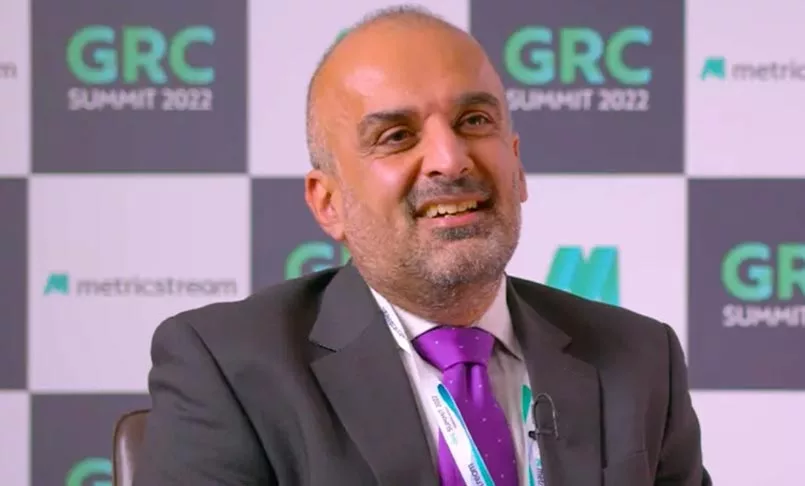
Emerging technologies, economic uncertainty, and changing stakeholder expectations are significantly reshaping business, necessitating a different approach to value creation. In a recent episode of the Bold Talk podcast, Gaurav Kapoor, Co-founder and Vice Chairman of MetricStream, joined host Epi Ludvig to discuss the mental shifts required to thrive in an AI-first world, ensure customer intimacy, and boldly lead an enterprise to success in a disruptive market landscape. Here are 6 key takeaways from the discussion.
1. Staying Close to the Truth
Most businesses today strive to deliver tangible value to customers and other stakeholders who expect nothing less. But the question, is, how can they consistently deliver long term value in a market that is competitive, and impacted constantly by macro environmental upheavals?
- The answer lies in grounding business strategy in truth, not abstract principles, but in its ability to listen to customers, interpret market trends, and remain humble enough to constantly learn and adapt.
- Missions, principles, and vision are all important factors in shaping a business, but to be successful, an organization must be open to new ideas and change.
- Flexibility or the ability to pivot to new strategies in response to market intelligence and customer feedback is crucial for:
- Ensuring real progress
- Delivering the kind of service, product, and experience that stakeholders expect.
2. Product-Market Fit is a Continuous Discipline
A business can only be successful in the modern market landscape if it can identify the right product-market fit. This is more important than execution or innovation and requires ongoing effort to ensure alignment.
Maintaining the optimum product-market fit requires organizations to:
- Effectively identify patterns
- Adapt to trends or feedback
- Be committed to addressing the root cause of any problem.
The best companies evolve constantly, but always stay grounded in a clear understanding of who they serve and why.
3. Layered Customer Intimacy for Better Business Outcomes
Even the most innovative companies risk failure if their offerings are not in sync with what customers truly want and value.
- It is crucial that leaders stay customer intimate – deeply connect with customers to understand if they are genuinely deriving value from the product.
- This goes beyond just reacting to feedback. It requires them to understand the feedback and proactively adapt and adjust to lead them to better outcomes.
An organization is not a homogenous mass of talent and tools. Different stakeholders within a company will have different priorities and needs. A project manager is concerned about timelines and implementation, a CEO needs accurate, real-time insights, while a CFO focuses on ROI, and the Chief Risk Officer prioritizes risk management and compliance. Customer intimacy must also be layered, or tailored to address the unique needs of every stakeholder to deliver true value. And it is crucial to understand changing dynamics not just within the GRC function but also related areas like security and ERP to drive meaningful impact.
4. Embracing AI Requires Cultural Reset
The emergence of Artificial Intelligence (AI) marks a watershed point in our technological history. AI holds the keys to incredible efficiency, productivity, and innovation. However, at the same time, real concerns about job losses, data privacy, and loss of control must be addressed.
- An organization’s AI adoption strategy must focus as much on mindset and cultural transformation as it does on technology implementation.
- An AI-first strategy must also include efforts to reshape how people think about work.
- It is important to understand and highlight that the ultimate goal of AI is not cost efficiency, but improving human potential by freeing teams of repetitive, mundane tasks.
- For example, some of the brightest minds in the GRC function work in auditing or risk management. Unfortunately, they spend most of their time filling out forms and handling paperwork. If automated AI platforms can take over these basic tasks, they can focus on insights and strategic recommendations based on their deep understanding and knowledge of the company.
- For AI to succeed, organizations must integrate it carefully into their culture, help people transition with empathy, and reframe it as an enabler of meaningful, value-added work.
5. Risk Culture and Integration are Non-Negotiable
Organizations across the world are now operating in a heightened risk environment, and it is imperative to inculcate a risk-aware culture to ensure resilience. Alignment and integration across risk, culture, and operations aren’t just good practice—they are strategic necessities. And there are two key requirements to be addressed:
- Define and communicate risk culture clearly – An organization can be on a growth fast track or may be operating with a more conservative strategy. But its appetite and tolerance for risk must be articulated across all levels. Too often, a decision taken in the boardroom does not effectively filter down through the organization, weakening the company’s ability to respond to risks.
- Eliminate silos in risk management – The world is now more interconnected than ever before, and a threat somewhere in the enterprise ecosystem can snowball into a debilitating crisis impacting every aspect of the business. In such an environment, risk management can no longer operate in silos and be truly effective. And the impact of a fragmented approach to risk can not only lead to vulnerabilities but also result in missed opportunities. For example, a global pharmaceutical company had to accelerate the rollout of its COVID-19 vaccines in a certain region. They had a robust and integrated compliance and risk management infrastructure that helped them be ready to go to market quickly with their life-saving products.
6. Being Bold with Purpose
For modern businesses chasing long-term growth and success, being bold is not a choice; it is a strategic imperative. Corporate boldness means using all available strengths, ranging from technology and insights to talent, to drive meaningful impact for customers, employees, and shareholders. Organizations cannot control or reduce market chaos, so the only way forward is for them to embrace the concept of anti-fragility - build systems designed to handle and grow stronger from stress and disruption. In an age of rapid change, boldness does not equal recklessness; instead, it is thoughtful risk-taking grounded in truth and resilience.
In a world being reshaped by volatility, resilience, adaptability, and purpose are cornerstones of long-term corporate success. Bold leadership under these circumstances is not about chasing trends but about rooting strategy in the truth, listening deeply to customers, and responding effectively. Consistently delivering value is a continuous journey that calls for agility and strategy, and ultimately, only the businesses backed with deep insights will become leaders of tomorrow.
Watch the video now: https://www.youtube.com/watch?v=8ngENTlGlbc
Want to learn how AI is transforming GRC in 2025?

Frequently Asked Questions
Building a risk-aware culture in an AI-first world means ensuring that risk consciousness is embedded across all levels of the organization, not confined to compliance or risk management functions. It requires clear communication of risk appetite from leadership, elimination of siloed risk practices, and an understanding that AI tools amplify both opportunities and exposures, making human judgment and accountability more important, not less.
Layered customer intimacy involves tailoring engagement to the specific priorities of different stakeholders within a customer organization. Since each stakeholder evaluates value differently, organizations must address these varying expectations to deliver solutions that create meaningful value across the entire customer ecosystem.
Layered customer intimacy involves tailoring engagement to the specific priorities of different stakeholders within a customer organization. Since each stakeholder evaluates value differently, organizations must address these varying expectations to deliver solutions that create meaningful value across the entire customer ecosystem.
Organizations can integrate AI into their culture more effectively by positioning it as a tool that supports higher-value work rather than reducing the workforce. Success depends on transparent communication, employee support during transition, and a deliberate focus on redirecting capacity toward strategic, judgment-driven responsibilities.
Eliminating silos in risk management is essential because risks in modern organizations are highly interconnected and can quickly spread across functions and operations. An integrated approach improves visibility, strengthens resilience, and helps organizations identify both emerging threats and strategic opportunities that fragmented risk management may overlook.
Anti-fragility in enterprise risk management refers to the organizational capacity to not merely withstand disruption but to grow stronger as a result of it. Rather than building systems designed only to resist stress, anti-fragile organizations design their risk and operational structures to absorb shocks, adapt to volatile conditions, and emerge with greater capability and resilience than before the disruption occurred.
Bold leadership in GRC and business strategy means making deliberate, well-informed risk decisions grounded in organizational truth rather than avoiding difficult choices to preserve short-term stability. It requires leaders to use technology, data, and talent to drive meaningful impact, communicate risk appetite clearly across all levels, and build systems capable of handling disruption rather than assuming it can be eliminated through caution alone.
A clearly defined risk appetite is essential for effective front-line decision-making because it provides practical guidance on acceptable risk boundaries. It helps ensure that operational teams make consistent decisions, respond appropriately to emerging risks, and avoid actions that exceed the organization’s established risk tolerance.
An integrated compliance and risk management infrastructure supports faster time-to-market by embedding risk assessments, controls, and approvals directly into operational workflows. This reduces delays caused by fragmented compliance processes, where regulatory requirements are often identified too late and disrupt product launches or market expansion efforts.
Customer intimacy supports long-term GRC effectiveness by ensuring risk and compliance programs address the specific needs of different stakeholders across the organization. Programs designed with a clear understanding of operational and leadership priorities are more likely to drive adoption, strengthen risk culture, and deliver meaningful business value over time.