





The Top 5 Compliance Tools For 2026
- Compliance Management
- 19 December 25


Introduction
In today’s fast-paced regulatory environment, companies need reliable and intelligent technology to streamline compliance, reduce risk, and build stakeholder trust. This guide introduces the top five compliance tools—highlighting features, ideal users, and standout capabilities—to help you make a more informed decision.
Why Compliance Tools Matter
As regulations grow more complex and global in scope—such as GDPR, HIPAA, CCPA, and SOX—manual compliance processes are no longer sufficient. Organizations need automated, scalable systems to ensure consistency, accountability, and risk mitigation across all operations. Here are 5 reasons why compliance tools matter:
Regulatory Complexity Demands Automation
Modern businesses often operate across multiple jurisdictions, each with its regulatory requirements. Compliance tools help navigate this complexity by offering pre-configured templates, checklists, and workflows mapped to specific laws and standards. This reduces the risk of non-compliance and minimizes the burden on internal teams.
Reduces Human Error and Ensures Consistency
Manual processes are prone to oversight and inconsistency, two of the leading causes of compliance violations. With built-in validation checks, rule engines, and alerts, compliance tools ensure that tasks are completed accurately and consistently, even when scaled across departments and geographies.
Improves Transparency and Accountability
Compliance tools provide a centralized dashboard for monitoring obligations, tracking deadlines, and assigning responsibility. This visibility empowers compliance officers and executives to identify gaps in real time and take corrective action before they escalate into major issues.
Streamlines Documentation and Reporting
Most compliance frameworks require extensive documentation—policies, risk assessments, audit trails, training records, and incident logs. Compliance tools automate these processes and ensure that documentation is audit-ready, searchable, and version-controlled, which saves time and reduces audit stress.
Enables Proactive Risk Management
Rather than reacting to violations, modern compliance tools allow organizations to proactively monitor key compliance indicators, forecast risk trends, and test controls in real time. This forward-looking approach strengthens organizational resilience and reduces regulatory exposure.
What to Look For in Compliance Tools
Here are 5 features to look for when selecting a compliance tool:
- Automation & Continuous Monitoring: Look for platforms that continuously gather evidence—like policy updates, access logs, and configuration changes—to detect non-compliance in near real time and reduce manual audit prep.
- Regulatory Intelligence: The most effective tools maintain an updated library of regulations, alerts for new or changed mandates, and mapping features that tie rules directly to internal policies, controls, and activities.
- Workflow & Case Management: Choose solutions that support role-based assignments, approval workflows, notifications, and issue tracking to operationalize compliance across teams and create audit-ready traceability.
- Security & Integration: Essential features include encrypted data storage, rigorous access control, and connectors/APIs to HR systems, CRMs, cloud platforms, or ERPs to collect required compliance inputs.
- Scalability & User Experience: Opt for tools that grow with your organization, offering flexible pricing models, customizable dashboards, and intuitive interfaces to encourage consistent usage and minimize training needs.
Top 5 Compliance Tools
Here are the top 5 compliance tools organizations can utilize:
MetricStream
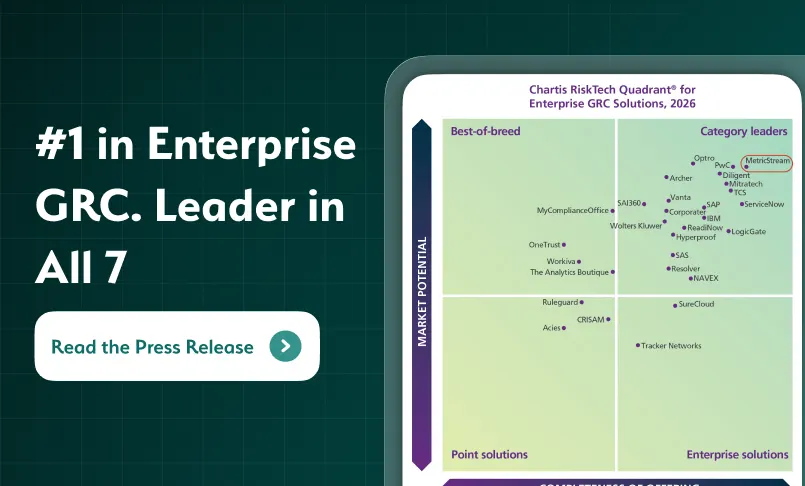
MetricStream is a leading enterprise GRC and compliance management solution trusted by Fortune 500 companies. Designed for scalability and depth, it helps organizations manage complex regulatory environments with ease. From centralized policy tracking to automated audits, MetricStream delivers robust tools for risk and compliance across large-scale operations.
Key Features:
- AI-first compliance that ensures continuous compliance by automatically ingesting regulatory updates, mapping your compliance profile, understanding the impact, simplifying policy management, testing controls, and managing cases and incidents.
- Pre-built content libraries covering regulations such as GDPR, HIPAA, SOX, and PCI-DSS, enabling rapid compliance setup.
- AI-powered analytics that predict compliance trends and help uncover hidden risks.
- A federated data model integrated with the Unified Compliance Framework (UCF), enabling mapping of 9,300+ control statements to 1,200+ regulations.
- Real-time dashboards and customizable reporting for enhanced risk visibility and executive insights.
- Automated control testing and evidence collection to ensure continuous monitoring and audit readiness.
MetricStream is best suited for large enterprises in highly regulated industries like banking, healthcare, and energy that need comprehensive, end-to-end GRC integration.
LogicGate Risk Cloud
LogicGate Risk Cloud comes with a modular architecture and an intuitive user interface. It empowers teams to build, adapt, and scale compliance workflows, making it a choice for growing organizations.
Key Features:
- Drag-and-drop workflow builder for customizing and automating compliance controls.
- Seamless integration with cloud platforms such as AWS, Azure, and Google Workspace.
- Centralized library to manage policies, compliance obligations, and audit documentation.
- Advanced user permission controls to maintain role-based data access and ensure security compliance.
OneTrust
OneTrust offers a suite of tools that support regulatory requirements, making it a known platform for multinational businesses concerned with privacy, ethics, and data governance.
Key Features:
- Global privacy compliance tools covering GDPR, CCPA, LGPD, and other data protection laws.
- Third-party risk assessments and management dashboards to evaluate vendor compliance.
- Automated consent and cookie management systems are aligned with international privacy standards.
- Incident response workflows that support timely breach reporting and regulatory response tracking.
RSA Archer
RSA Archer, known for its integration capabilities supports deep control over regulatory requirements and internal compliance structures.
Key Features:
- Centralized risk and compliance tracking for internal audits, policies, and regulatory controls.
- Pre-built content libraries covering regulations such as GDPR, HIPAA, SOX, and PCI-DSS, enabling rapid compliance setup.
- Built-in regulatory change management features that trigger automated workflows.
- Audit-ready control testing tools with complete audit trail functionality.
- Integrations with large enterprise platforms such as SAP, Oracle, and other ERP systems.
ServiceNow GRC
ServiceNow GRC brings risk and compliance into the broader IT operations ecosystem, ntegrating with IT service management (ITSM) and security operations (SecOps). Organizations already invested in the ServiceNow ecosystem benefit from native integrations and real-time compliance alignment with day-to-day IT processes.
Key Features:
- Real-time monitoring of compliance metrics is integrated directly into IT workflows.
- Unified dashboards displaying the status of incidents, changes, policies, and audits.
- Policy management tools that automate creation, review, and exception handling.
- Deep integrations with ITSM, CMDB, and security operations modules for centralized visibility.
Benefits of Using Compliance Tools
These platforms automate repetitive tasks, reducing manual errors and increasing accuracy. They centralize compliance data, enabling better monitoring, faster reporting, and more informed decision-making.
Here are the top 5 benefits of using compliance tools in detail:
- Time and Resource Efficiency: By automatically collecting proof—such as notifications, access logs, and security configurations—compliance tools can shrink audit preparation time from several weeks to just a few days.
- 24/7 Compliance Oversight: Tools with real-time scanning and alerts ensure that policy deviations, expired certificates, or misconfigured controls are discovered immediately, reducing the window of exposure.
- Consistency and Policy Coverage: A single, centralized system ensures no regulations or internal standards are overlooked, and every compliance facet—training, policy updates, vendor reviews—is tracked to resolution.
- Audit Readiness at Scale: AI-augmented dashboards and comprehensive logs provide auditor-ready documentation in seconds, removing the chaos typically associated with audit seasons.
- Agile Response to Regulatory Change: With automatic ingestion of new laws and centralized mapping to policies, organizations can adjust internal controls and mitigate risk before enforcement actions take effect.
Common Challenges in Adopting Compliance Tools
Here are 6 ways to measure the effectiveness of your compliance tool:
- Audit Preparation Time Reduction: Track how much faster teams can assemble compliance evidence, ideally reducing prep efforts by 40–60%.
- Controls Coverage Percentage: Monitor the share of controls that are automatically tracked versus those that require manual oversight, aiming for full automation where feasible.
- Policy Exception Counts: Measure the number and severity of policy exceptions or non-compliance incidents, aiming for early identification and prompt remediation.
- User Adoption Rates: Use login frequency, task completion stats, and user satisfaction surveys to assess how widely and effectively the tool is used.
- Incident Volume & Resolution Time: Compare the number of audit findings pre- and post-adoption and track how quickly issues are resolved to gauge operational resilience.
- Regulatory Response Time: Measure how long it takes from a new regulation being issued to internal policy being updated and enforced.
Trends Shaping the Future of Compliance Tools
As compliance risks grow more complex, the tools designed to manage them are evolving rapidly. Below are 5 trends organizations should watch out for:
- AI & NLP for Smarter Compliance: Expect to see Copilot-like assistants analyzing documents, recommending policies, and summarizing key compliance obligations.
- Embedded Compliance Checkpoints: Future interfaces will integrate compliance into common workflows—like HR onboarding, DevOps pipelines, or procurement—allowing issues to be flagged before they escalate.
- Modular, Cloud-Native Architectures: Tool suites will let organizations pick only needed compliance components via microservices, optimizing cost and scaling agility.
- Regulatory Content Subscriptions: Tools will provide live feeds of global regulatory updates, enabling proactive policy mapping and meeting international requirements seamlessly.
- Ecosystem Interoperability: The next wave of solutions will feature API-first architectures, allowing organizations to link identity platforms, security tools, ticketing systems, and cloud services into a unified compliance fabric.
Selecting the right compliance tool can transform operations, moving practices from reactive checklists to proactive, automated assurance systems. Whether your priority is security automation, regulatory monitoring, audit readiness, or culture-building, one of these top platforms can propel your organization toward scalable and resilient compliance.
To learn how MetricStream’s Compliance Management solution can help, request a personalized demo today.
Frequently Asked Questions
A compliance tool helps organizations manage and track regulatory obligations, internal policies, and risk mitigation activities to avoid penalties and reputational harm.
Yes, most enterprise-grade tools offer pre-mapped templates and policy libraries that support multiple frameworks and regulations.
Sectors with high regulatory scrutiny—such as finance, healthcare, and manufacturing—benefit significantly, but any organization can improve efficiency with compliance tools.
By assigning roles, deadlines, and escalation protocols within workflows, these tools improve task ownership and transparency across departments.