



1
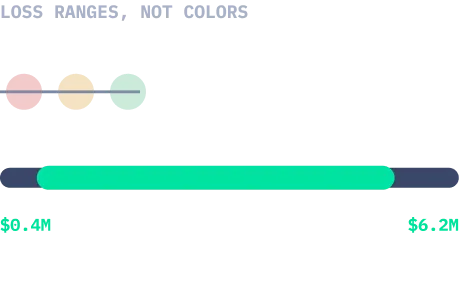
Cyber exposure expressed as loss ranges in monetary terms instead of color-coded ratings.

FAIR analysis and Monte Carlo simulation express cyber exposure in financial terms, enabling teams to compare risk treatment options and prioritize security investments.
Red, amber, and green ratings describe cyber risk. They do not tell your board how much exposure the organization faces or where the next security investment returns the most value. Cyber risk quantification software replaces color-coded ratings with estimated loss ranges that security, finance, and executive teams read the same way. Cyber risk professionals validate the assumptions, and the basis for each input stays on record.
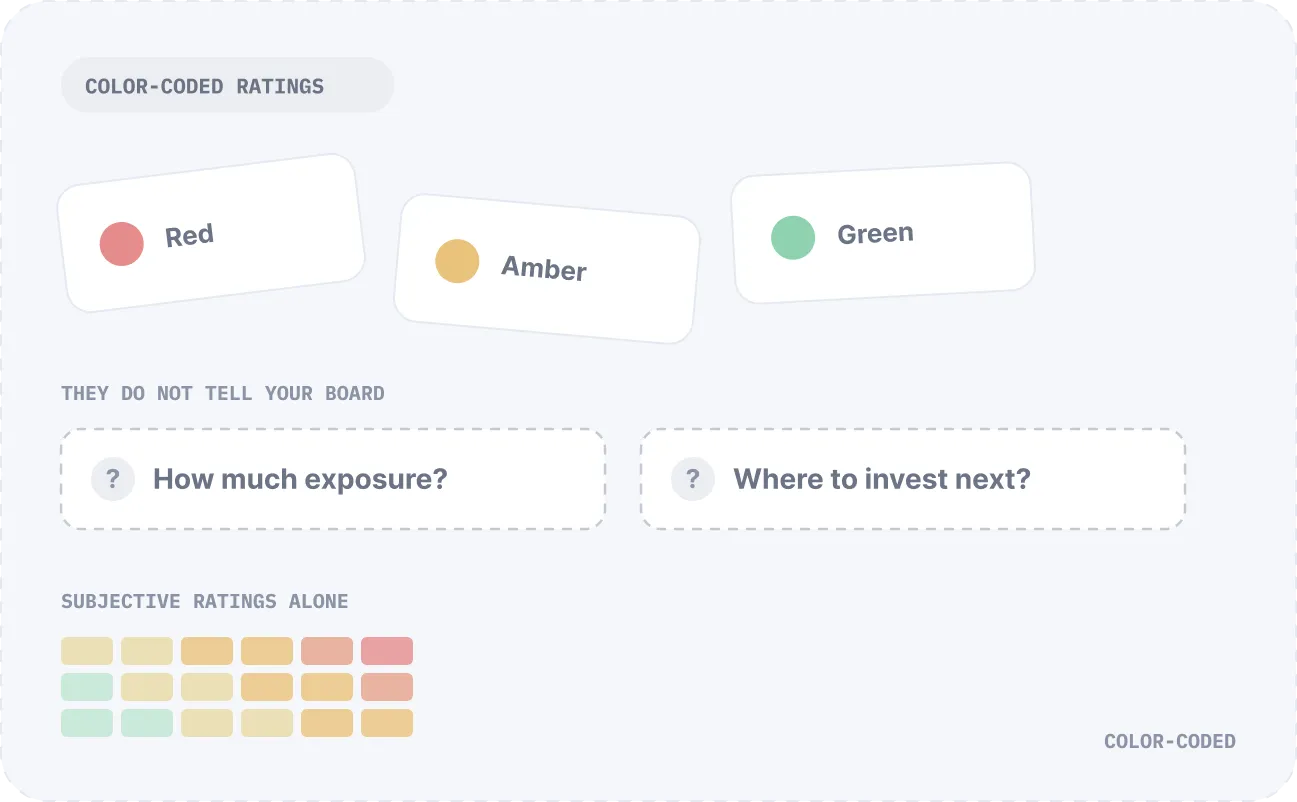
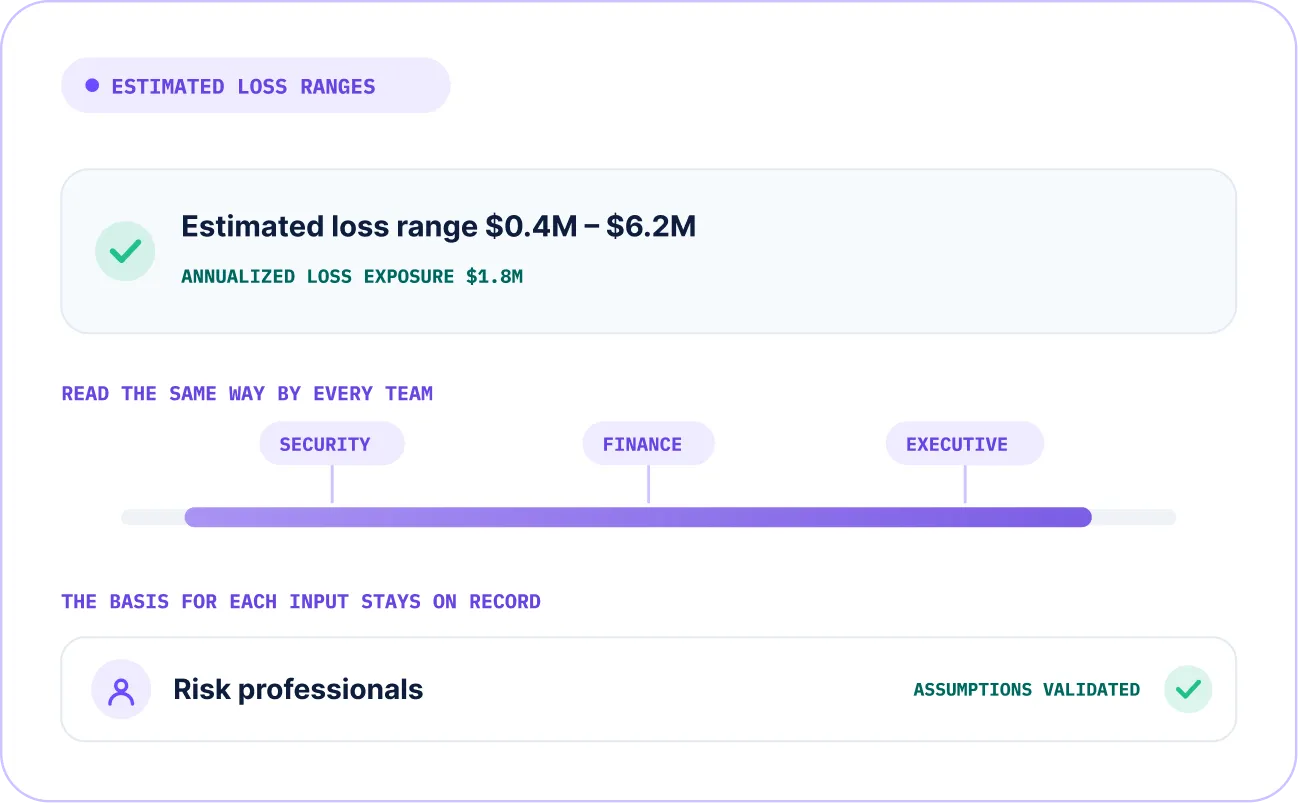
MetricStream Advanced Cyber Risk Quantification software combines FAIR™ (Factor Analysis of Information Risk) and configurable models with connected data, simulation, and AI to express cyber exposure in financial terms. Connected asset, risk, threat, vulnerability, and control data feeds each scenario. The Cyber Assistant explains assumptions and outputs. CISOs, finance teams, and executives can now evaluate treatment, investment, insurance, and risk acceptance based on estimated financial exposure, rather than relying solely on subjective ratings.
Cyber risk scenario analysis covers events such as data breaches, ransomware, identity compromise, service outages, fraud, and third-party incidents. Each scenario connects to affected assets, services, threats, vulnerabilities, controls, and owners. Crown Jewel classification focuses quantification on the events with the greatest operational, financial, regulatory, or reputational impact.
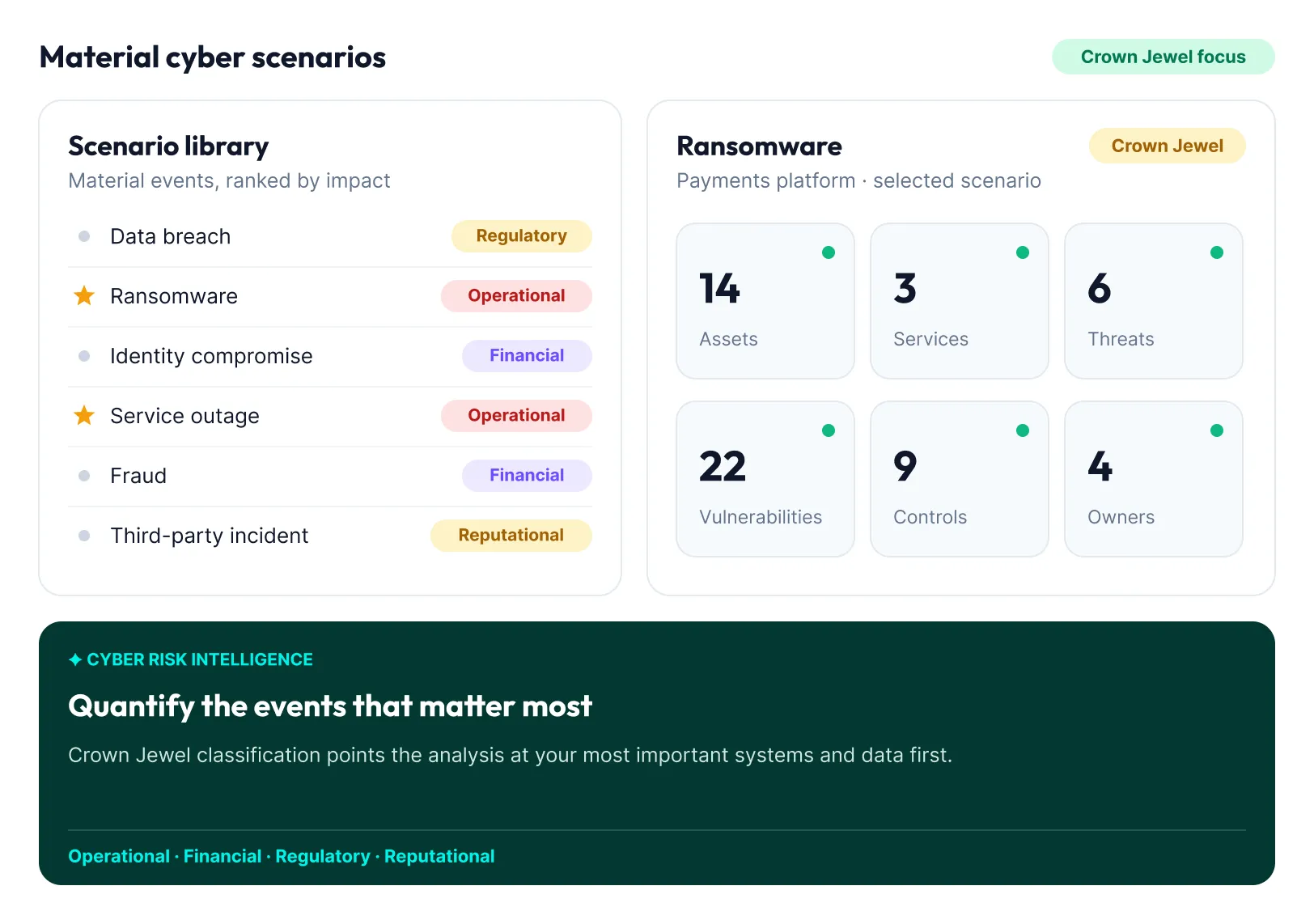
Cyber exposure expressed as loss ranges in monetary terms instead of color-coded ratings.
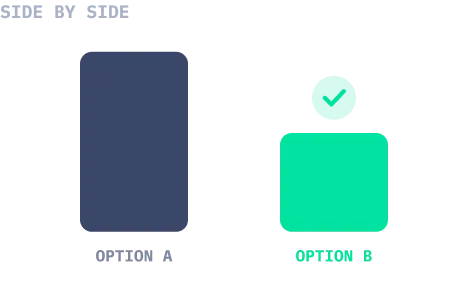
Security investment priorities supported by side-by-side treatment scenario comparisons.
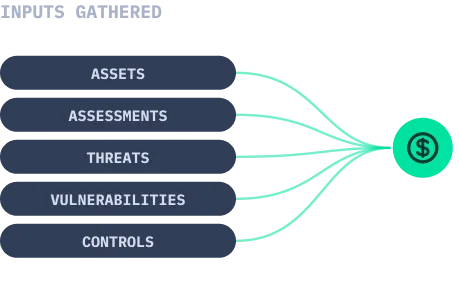
Less time spent collecting model inputs from assets, assessments, threats, vulnerabilities, and controls.
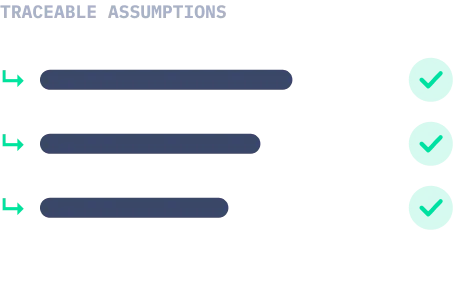
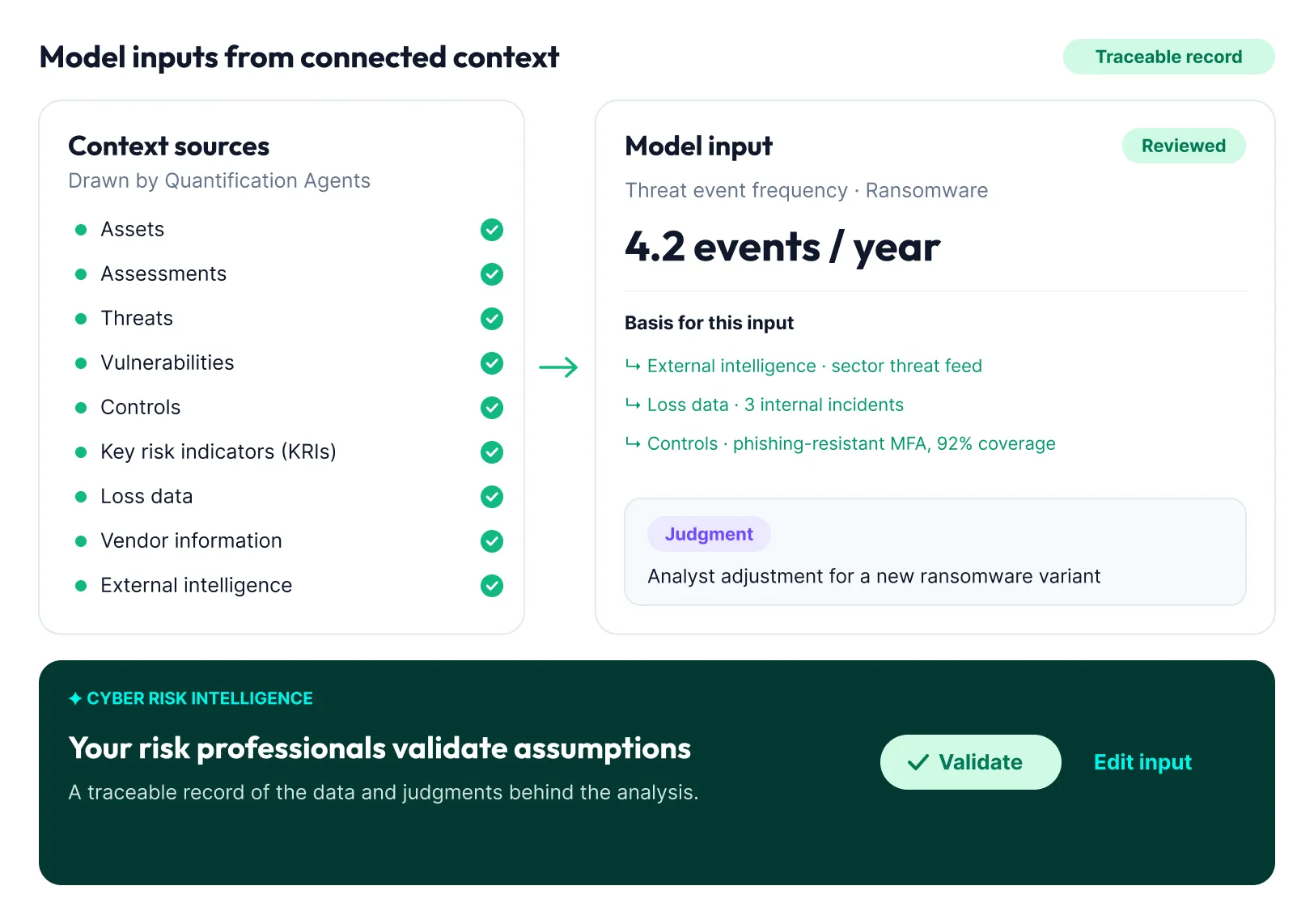
Traceable assumptions that risk professionals review and validate before results are used.
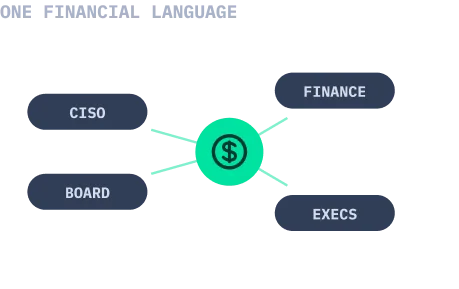
One financial language for CISOs, finance teams, executives, and boards.
Cyber risk quantification is the practice of estimating cyber risk in terms of probable financial loss rather than as red, amber, or green ratings. It estimates how often cyber events could occur and how large the loss could be, expressed as loss ranges in monetary terms. Security, finance, and executive teams can then compare exposure, treatment options, and investments in the same financial language.
Cyber risk quantification (CRQ) software models cyber scenarios, runs simulations, and reports exposure as loss ranges in monetary terms. CRQ software replaces color-coded ratings with estimates that security, finance, and executive teams read the same way. MetricStream Advanced Cyber Risk Quantification combines FAIR™ and configurable models with connected data, simulation, and AI. Cyber risk quantification platforms of this kind also compare treatment scenarios.
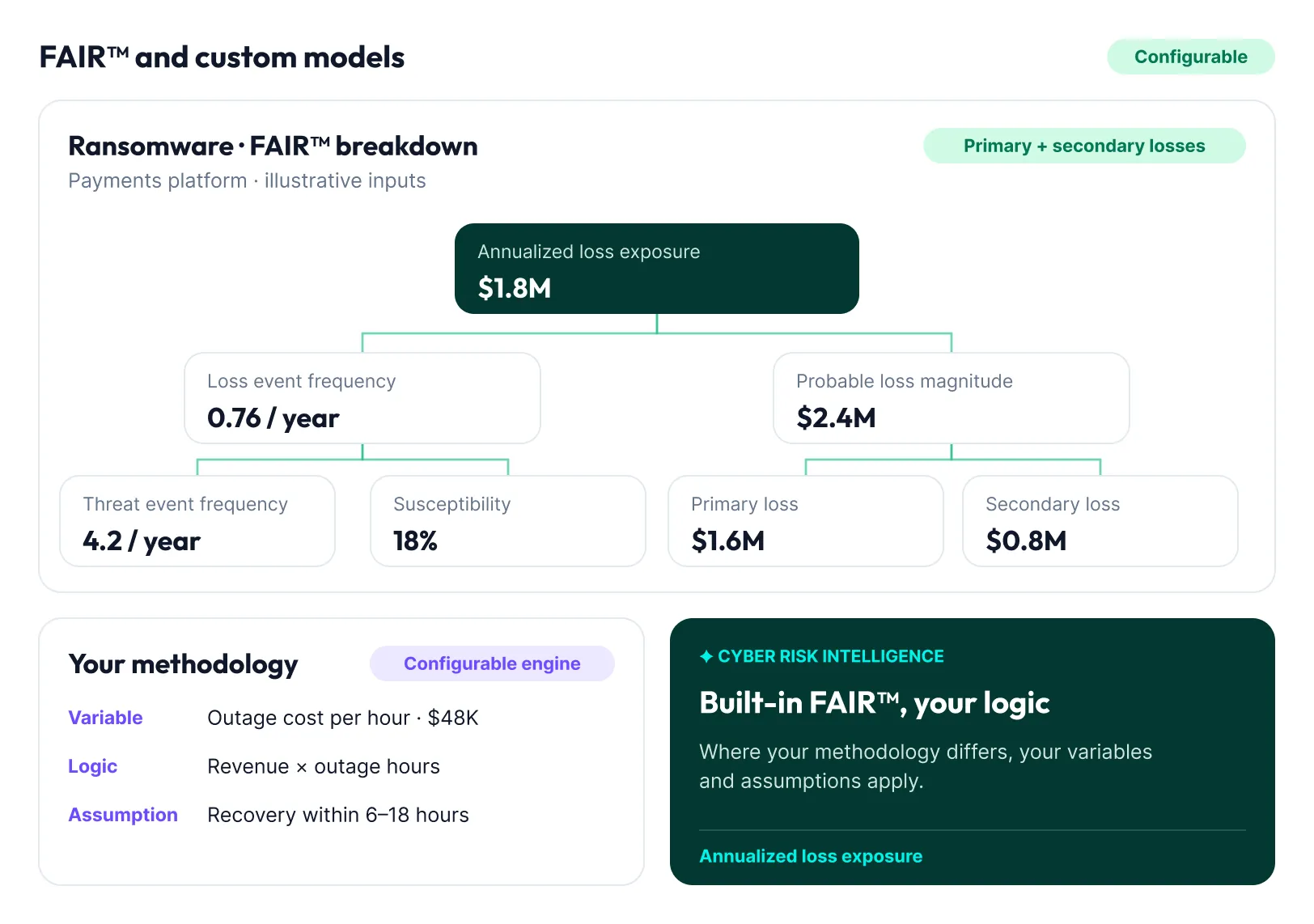
FAIR (Factor Analysis of Information Risk) is a model that breaks risk into frequency and magnitude components, then calculates probable loss. As a cyber risk modeling software, MetricStream includes built-in FAIR™ analysis. It estimates threat event frequency, susceptibility, loss event frequency, probable loss magnitude, and annualized loss exposure, including primary and secondary losses. A configurable engine adds an organization's own variables, calculation logic, and assumptions where the methodology differs.
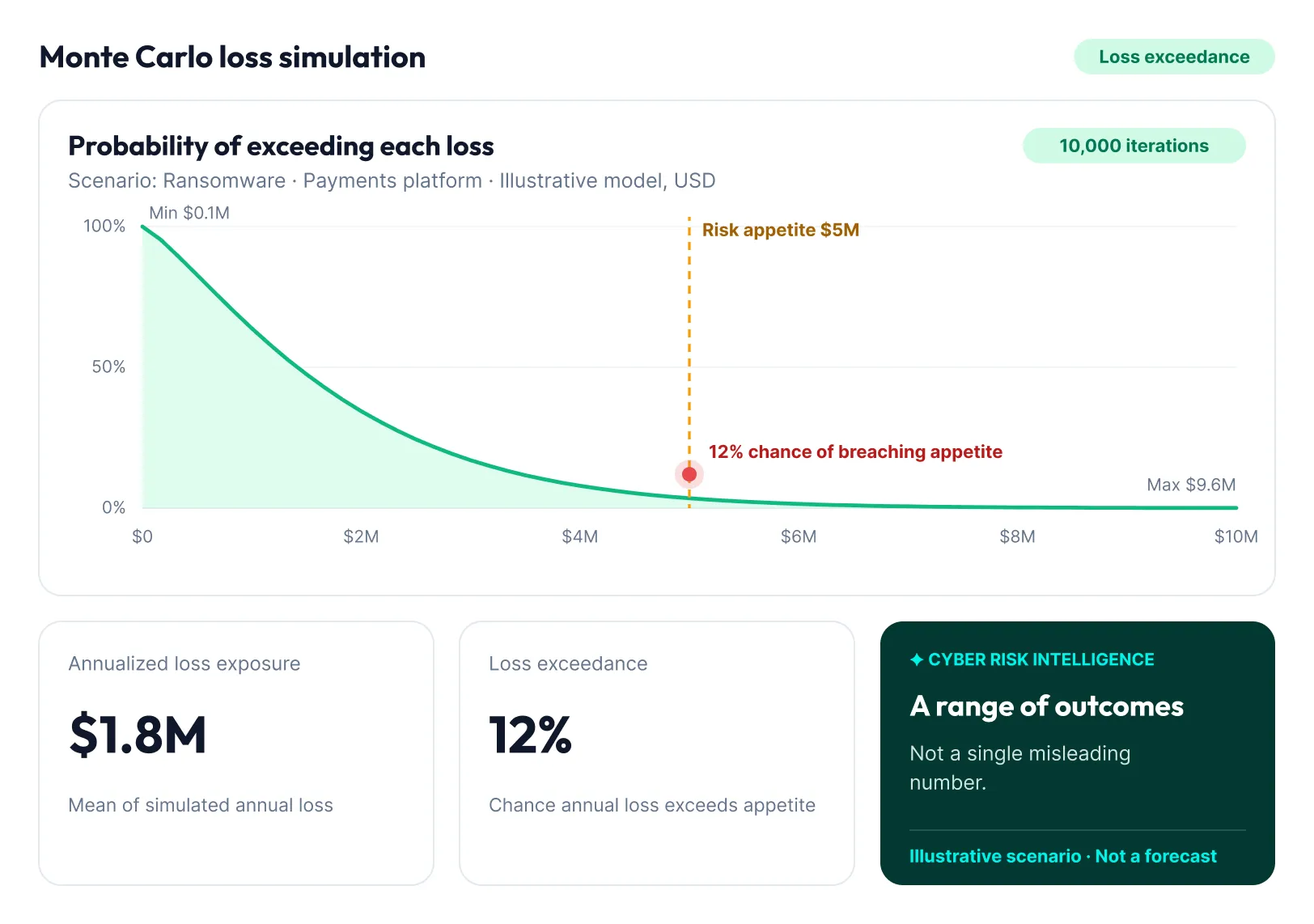
Monte Carlo simulation runs thousands of combinations across uncertain inputs and produces probability distributions of loss, from minimum to maximum. In MetricStream, results include annualized loss exposure, loss exceedance probability, and the likelihood of breaching risk appetite. Cyber risk analysis software with simulation gives decision-makers a range of outcomes rather than a single misleading number.
MetricStream feeds FAIR and Monte Carlo models with asset, risk, threat, vulnerability, and control data from across the platform. Cyber Assistant explains assumptions and outputs. Risk professionals validate assumptions before results are used.
Cyber risk scenario analysis estimates the financial impact of specific events, such as data breaches, ransomware, identity compromise, service outages, fraud, and third-party incidents. With MetricStream’s Advanced Cyber Risk Quantification, each scenario connects to affected assets, services, threats, vulnerabilities, controls, and owners. Crown Jewel classification focuses quantification on the events with the greatest operational, financial, regulatory, or reputational impact.
A cyber risk quantification solution should support recognized models such as FAIR, allow configurable models for your own methodology, and draw inputs from connected data. It should also run simulations, compare treatment scenarios, and keep a traceable record of assumptions. Cyber risk quantification tools that explain results in plain language help boards and executives trust the numbers. MetricStream's solution includes each of these capabilities.
Cyber risk assessment software often scores risks with qualitative ratings, such as high, medium, and low, or red, amber, and green. Cyber risk quantification adds estimated loss ranges in monetary terms. Exposure can then be compared with budgets and risk appetite. MetricStream Advanced Cyber Risk Quantification provides FAIR™ analysis, Monte Carlo simulation, and treatment scenario comparison.
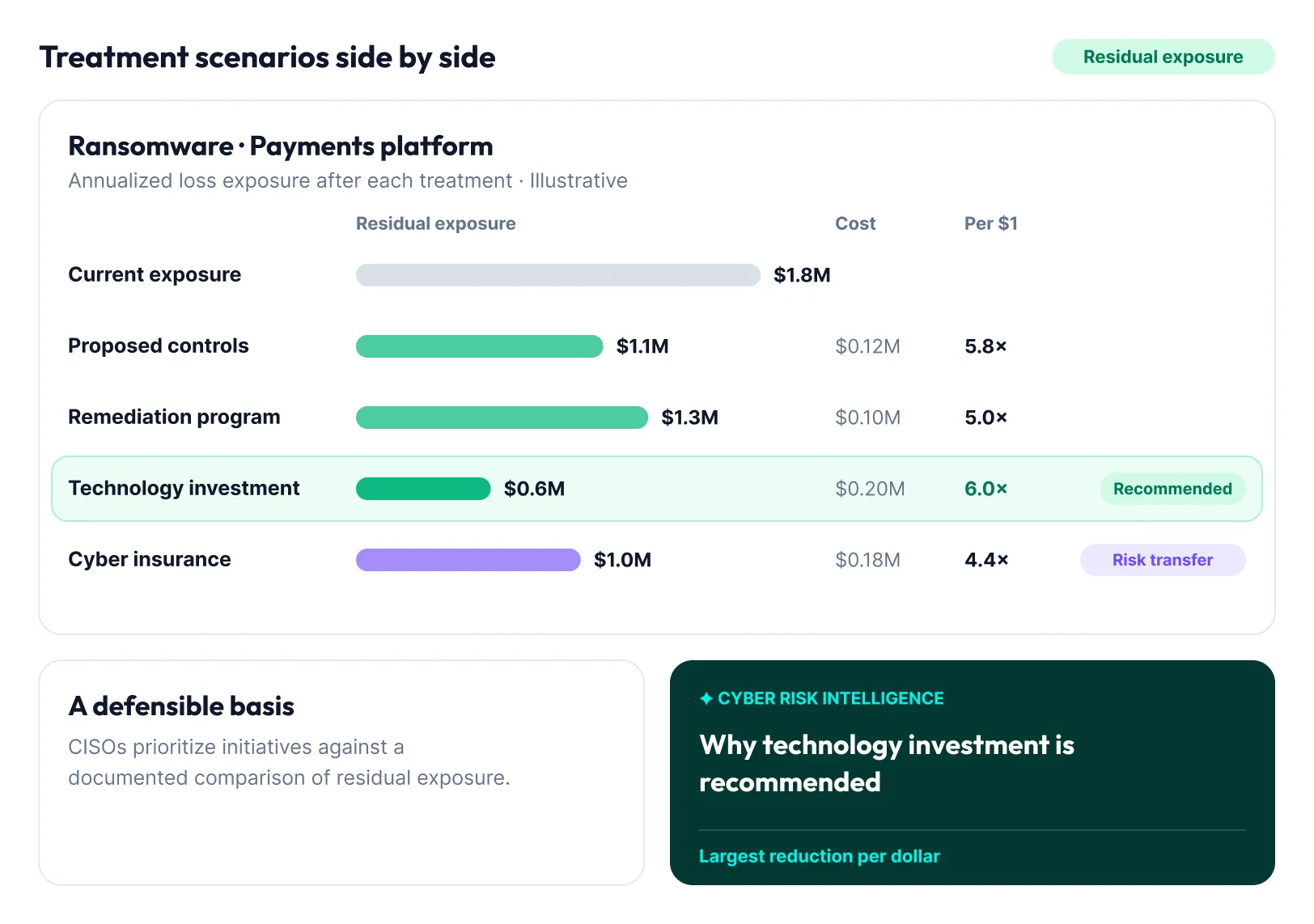
Cyber risk management software uses quantitative results to prioritize actions based on probable financial impact. With MetricStream’s Advanced Cyber Risk Quantification, treatment scenarios show how proposed controls, remediation programs, technology investments, risk transfer, and cyber insurance change exposure. CISOs gain a defensible basis for prioritizing initiatives, and finance and executive teams see why a particular investment is recommended.
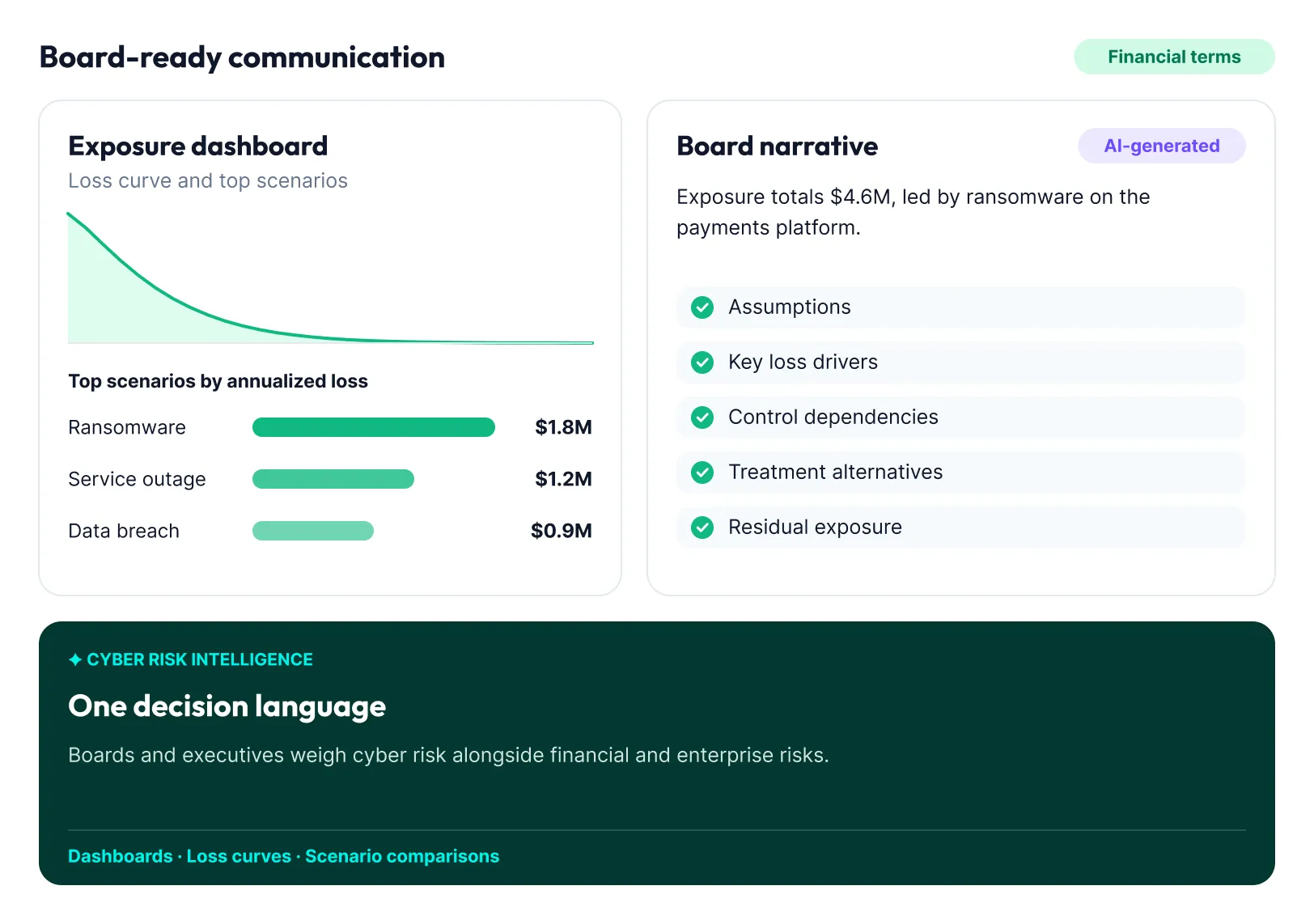
Use loss ranges, loss curves, and scenario comparisons that explain exposure in financial terms, with clear assumptions. With MetricStream Advanced Cyber Risk Quantification dashboards and AI-generated narratives, summarize assumptions, key loss drivers, control dependencies, treatment alternatives, and residual exposure. Boards and executives can then discuss cyber risk alongside financial and enterprise risks in a common decision language.